
SEKI SABA - FRESH WILD MACKEREL - Scomber japonicus Houttuyn
Description
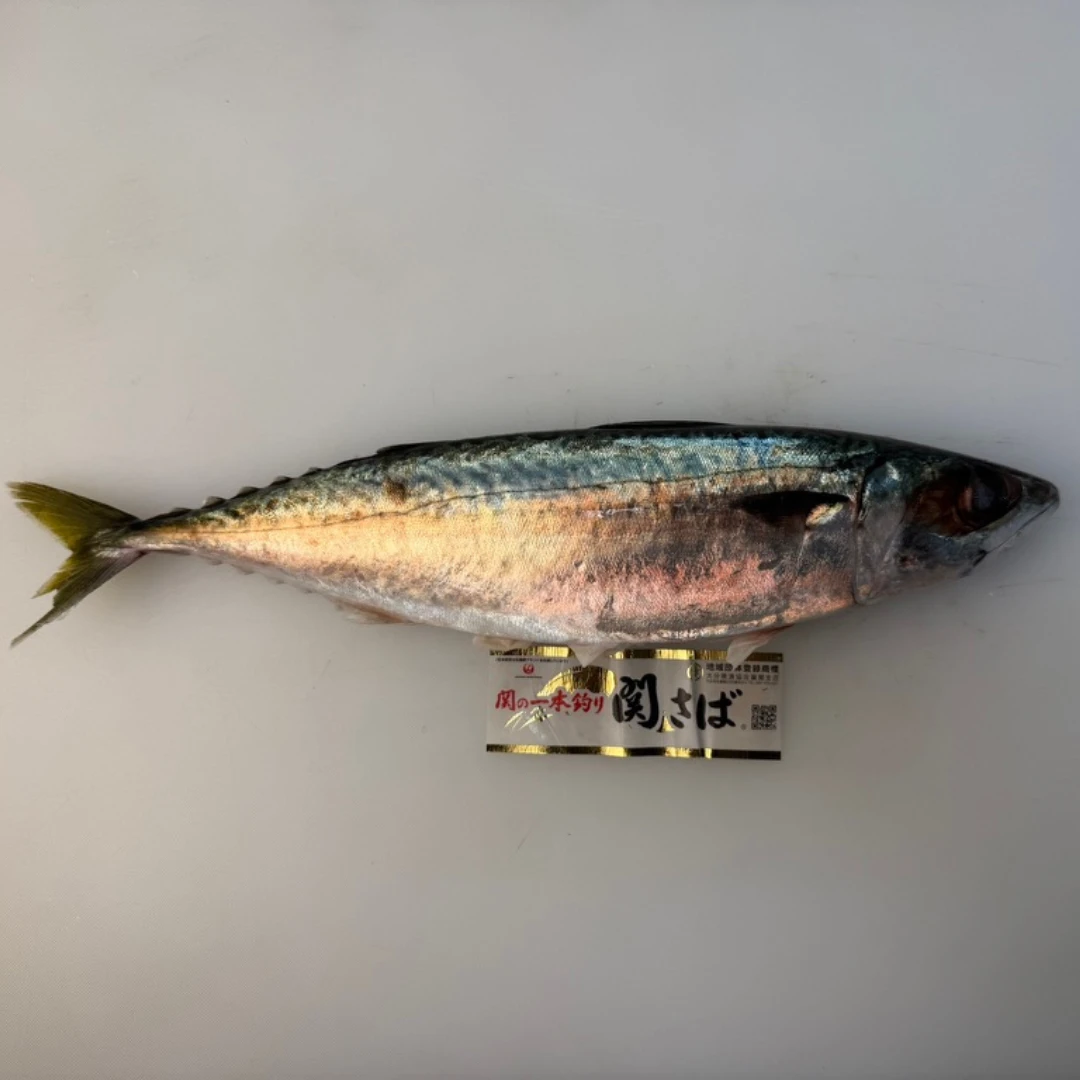
関サバ SEKI SABA - FRESH WILD MACKEREL - Scomber japonicus Houttuyn
Location
Awaji
Size
Texture/Flavor Profile
Seki Saba delivers a clean, refined expression of mackerel—firm, silky flesh with beautifully balanced fat. The flavor is rich yet free of harsh oiliness, revealing delicate sweetness and depth. Its pristine texture reflects the fish’s stress-free handling and immediate ikejime processing. On the palate, it combines oceanic intensity with gentle umami, finishing crisp and elegant.
Availability/Seasonality
Caught wild off the Bungo Channel in Ōita Prefecture, Seki Saba is available primarily from autumn through early spring, when water temperatures drop and fat levels peak. Each fish is line-caught one by one, minimizing stress and preserving flesh integrity. Limited daily landings and seasonal conditions make this a rare, high-demand delicacy in the Japanese market.
About
Seki Saba refers to premium wild mackerel (Scomber japonicus) certified from Saganoseki fishing grounds in Kyushu. The name “Seki” denotes the fishing port, not the species itself. These fish are line-caught in turbulent tidal currents, where their active swimming develops dense muscle and clean flavor. After capture, they undergo immediate ikejime and ice preservation—methods that protect color, texture, and umami. Renowned nationwide, Seki Saba represents the pinnacle of Japanese mackerel quality.
Preparation
This prized mackerel is best enjoyed raw as sashimi or lightly cured (shime-saba) to highlight its natural oils. Grilling over charcoal accentuates the savory aroma, while quick searing (aburi) adds smoky contrast. It can also be pressed into sushi (bōzushi) or paired with citrus and vinegar for bright, balanced dishes that showcase its freshness and complexity.
Nutritional Value
Seki Saba is exceptionally rich in Omega-3 fatty acids (EPA and DHA), beneficial for heart and brain health. It also provides high-quality protein, vitamin D, and minerals such as selenium and magnesium. Nutrient-dense yet light, this wild mackerel offers both indulgence and nourishment in perfect harmony.
Selection and Storage
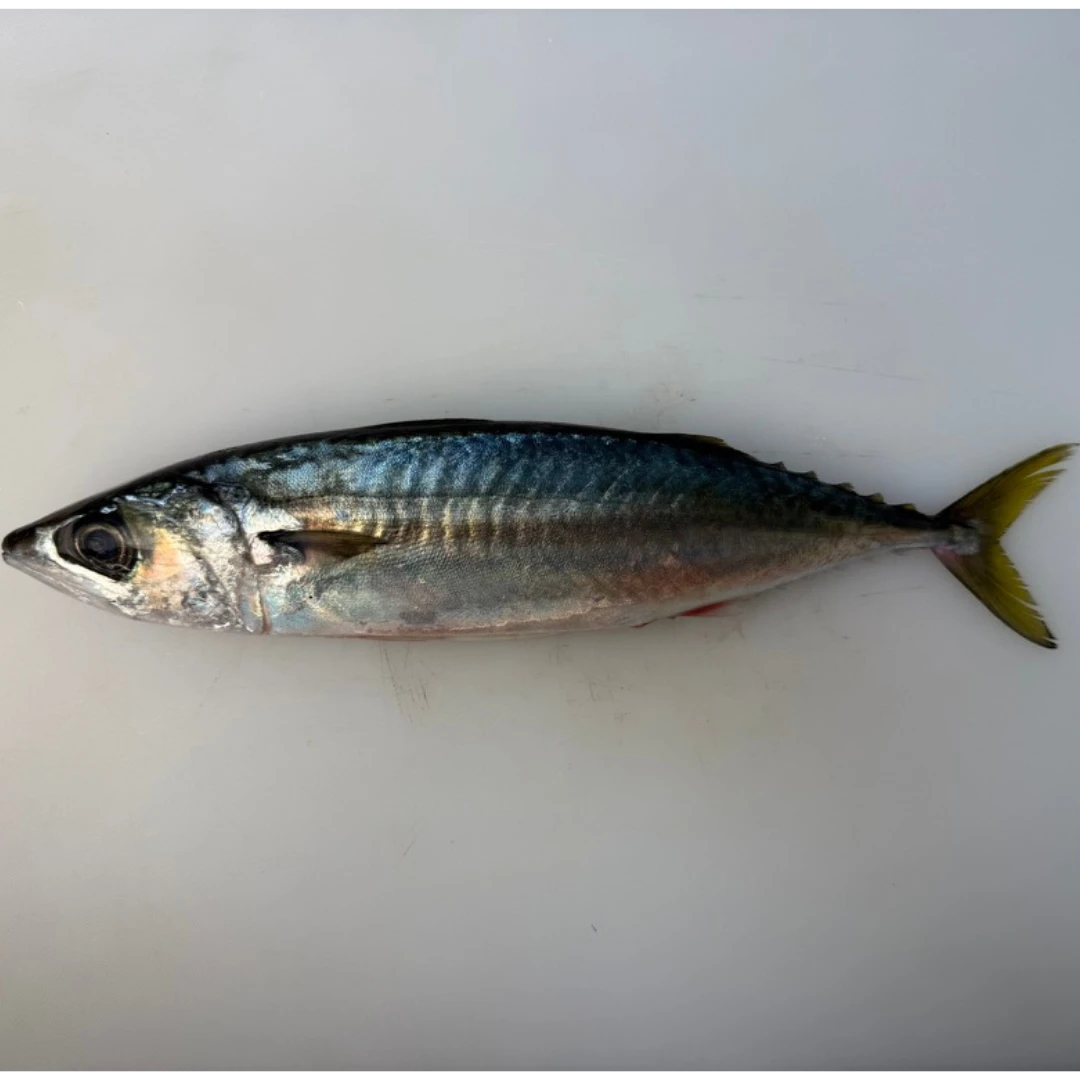
Look for bright, metallic skin with a distinct blue-green sheen and clear eyes. Fresh Seki Saba should feel firm and springy to the touch. Keep refrigerated at 0–2°C and consume within 24 hours for raw preparations. For longer preservation, gently cure with salt and vinegar or vacuum-seal and freeze immediately after purchase.
Summary
関サバ (Seki Saba) embodies the essence of Japan’s regional seafood excellence—wild, precise, and uncommonly pure. Each fish is a testament to traditional fishing craftsmanship and careful handling. With its rich flavor and immaculate texture, Seki Saba elevates the humble mackerel into a symbol of true culinary artistry.
Location
Awaji
Size
Texture/Flavor Profile
Seki Saba delivers a clean, refined expression of mackerel—firm, silky flesh with beautifully balanced fat. The flavor is rich yet free of harsh oiliness, revealing delicate sweetness and depth. Its pristine texture reflects the fish’s stress-free handling and immediate ikejime processing. On the palate, it combines oceanic intensity with gentle umami, finishing crisp and elegant.
Availability/Seasonality
Caught wild off the Bungo Channel in Ōita Prefecture, Seki Saba is available primarily from autumn through early spring, when water temperatures drop and fat levels peak. Each fish is line-caught one by one, minimizing stress and preserving flesh integrity. Limited daily landings and seasonal conditions make this a rare, high-demand delicacy in the Japanese market.
About
Seki Saba refers to premium wild mackerel (Scomber japonicus) certified from Saganoseki fishing grounds in Kyushu. The name “Seki” denotes the fishing port, not the species itself. These fish are line-caught in turbulent tidal currents, where their active swimming develops dense muscle and clean flavor. After capture, they undergo immediate ikejime and ice preservation—methods that protect color, texture, and umami. Renowned nationwide, Seki Saba represents the pinnacle of Japanese mackerel quality.
Preparation
This prized mackerel is best enjoyed raw as sashimi or lightly cured (shime-saba) to highlight its natural oils. Grilling over charcoal accentuates the savory aroma, while quick searing (aburi) adds smoky contrast. It can also be pressed into sushi (bōzushi) or paired with citrus and vinegar for bright, balanced dishes that showcase its freshness and complexity.
Nutritional Value
Seki Saba is exceptionally rich in Omega-3 fatty acids (EPA and DHA), beneficial for heart and brain health. It also provides high-quality protein, vitamin D, and minerals such as selenium and magnesium. Nutrient-dense yet light, this wild mackerel offers both indulgence and nourishment in perfect harmony.
Selection and Storage
Look for bright, metallic skin with a distinct blue-green sheen and clear eyes. Fresh Seki Saba should feel firm and springy to the touch. Keep refrigerated at 0–2°C and consume within 24 hours for raw preparations. For longer preservation, gently cure with salt and vinegar or vacuum-seal and freeze immediately after purchase.
Summary
関サバ (Seki Saba) embodies the essence of Japan’s regional seafood excellence—wild, precise, and uncommonly pure. Each fish is a testament to traditional fishing craftsmanship and careful handling. With its rich flavor and immaculate texture, Seki Saba elevates the humble mackerel into a symbol of true culinary artistry.