
MAGURO NO SHUTŌ – FERMENTED TUNA INTESTINES – Thunnus spp./Katsuwonus spp.
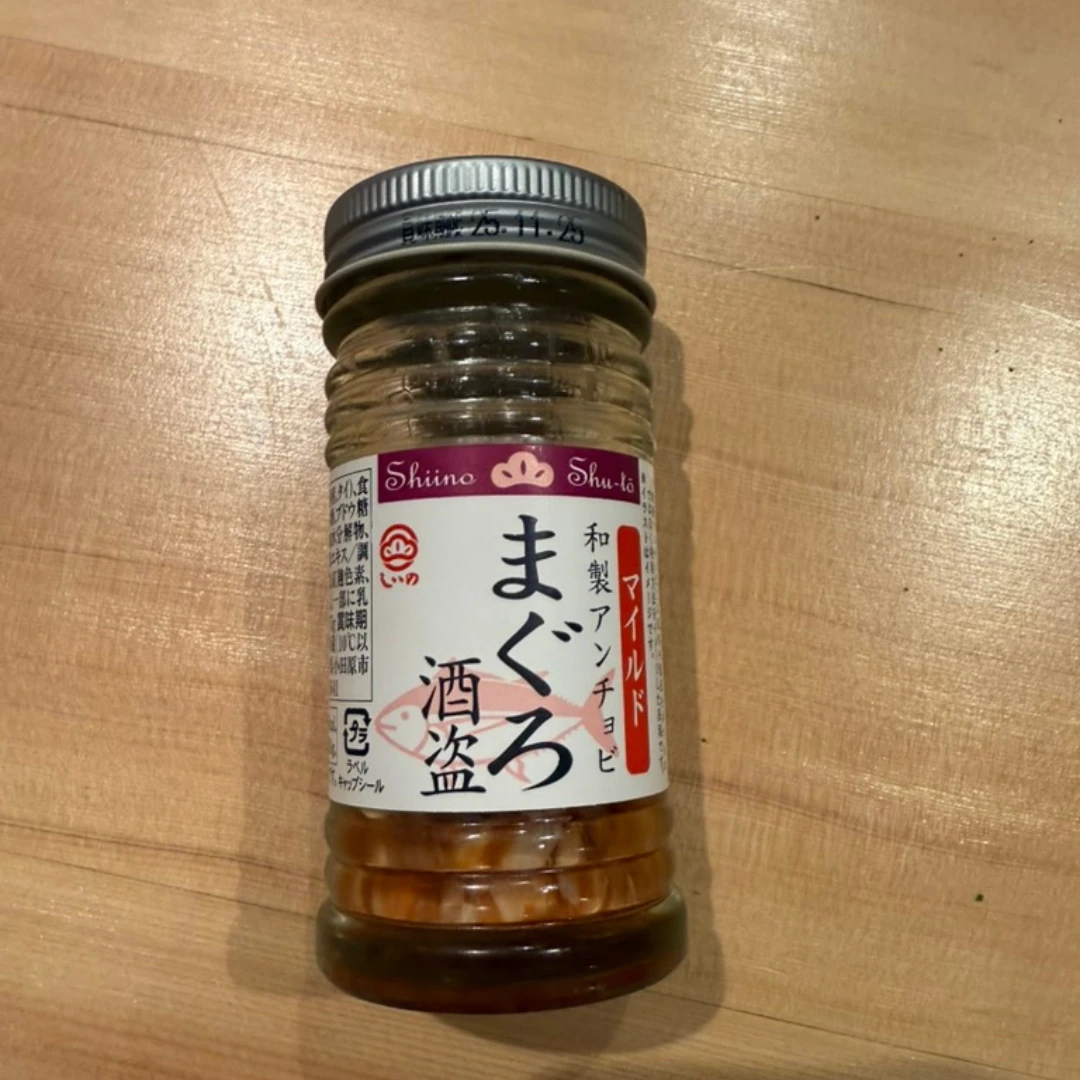
Description
鮪の酒盗 MAGURO NO SHUTŌ – FERMENTED TUNA INTESTINES – Thunnus spp./Katsuwonus spp.
Texture/Flavor Profile
Maguro no Shutō offers a smoother, rounder profile compared to the sharper taste of bonito shutō. Its texture is soft and slightly creamy, with delicate fibers that dissolve gradually on the palate. The flavor is rich, deeply savory, and complex, yet less salty than traditional katsuo shutō. Subtle sweetness and gentle ocean notes linger, making it expressive but more approachable for newcomers to fermented seafood.
Availability/Seasonality
Because shutō is produced through salting and fermentation, it is available throughout the year. Tuna (Thunnus spp.) and skipjack-trout relatives provide the raw material, though specific species depend on seasonal landings. Extended aging enhances fragrance and umami, so production schedules often overlap seasonal catches to ensure continuous supply and consistent quality.
About
Maguro no Shutō traces its roots to coastal preservation methods where tuna entrails were salted heavily to last through long fishing seasons. Over time, fermentation transformed these ingredients into a delicacy favored by fishermen and later adopted in izakaya culture. Using tuna rather than bonito yields a richer, milder paste with a velvety depth. The species within Thunnus and Katsuwonus families contribute subtle variations in flavor, but all share the same tradition of patient curing and enzyme-driven maturation that defines shutō.
Preparation
Serve Maguro no Shutō in small quantities with warm rice, tofu, or lightly blanched vegetables to highlight its mellow umami. It pairs exceptionally well with sake and shochu, where its gentle saltiness enhances the drink’s aroma. Mix into cream cheese for a modern spread, combine with citrus for brightness, or add to pasta and sauces for unexpected depth. A small spoonful in ochazuke or as a garnish for grilled fish adds elegance and complexity.
Nutritional Value
Rich in protein, amino acids, and minerals such as iron and phosphorus, Maguro no Shutō provides concentrated nourishment in small servings. Naturally occurring enzymes contribute to its unique umami. While it contains higher sodium due to fermentation, its intense flavor ensures it is consumed in modest amounts.
Selection and Storage
Choose shutō with a glossy surface and uniform, reddish-brown color. The aroma should be robust yet clean, showing proper fermentation. Refrigerate after opening and consume within several weeks. Keep tightly sealed to maintain moisture and prevent oxidation. Avoid freezing, as this can disrupt its smooth texture and aromatic balance.
Summary
鮪の酒盗 (Maguro no Shutō) offers a refined, mellow expression of Japan’s fermented seafood tradition. Softer and rounder than katsuo shutō, it provides deep umami without overwhelming saltiness. A versatile and expressive condiment, it enhances both traditional and modern dishes with richness, subtle sweetness, and the unmistakable craftsmanship of long-aged seafood.
Texture/Flavor Profile
Maguro no Shutō offers a smoother, rounder profile compared to the sharper taste of bonito shutō. Its texture is soft and slightly creamy, with delicate fibers that dissolve gradually on the palate. The flavor is rich, deeply savory, and complex, yet less salty than traditional katsuo shutō. Subtle sweetness and gentle ocean notes linger, making it expressive but more approachable for newcomers to fermented seafood.
Availability/Seasonality
Because shutō is produced through salting and fermentation, it is available throughout the year. Tuna (Thunnus spp.) and skipjack-trout relatives provide the raw material, though specific species depend on seasonal landings. Extended aging enhances fragrance and umami, so production schedules often overlap seasonal catches to ensure continuous supply and consistent quality.
About
Maguro no Shutō traces its roots to coastal preservation methods where tuna entrails were salted heavily to last through long fishing seasons. Over time, fermentation transformed these ingredients into a delicacy favored by fishermen and later adopted in izakaya culture. Using tuna rather than bonito yields a richer, milder paste with a velvety depth. The species within Thunnus and Katsuwonus families contribute subtle variations in flavor, but all share the same tradition of patient curing and enzyme-driven maturation that defines shutō.
Preparation
Serve Maguro no Shutō in small quantities with warm rice, tofu, or lightly blanched vegetables to highlight its mellow umami. It pairs exceptionally well with sake and shochu, where its gentle saltiness enhances the drink’s aroma. Mix into cream cheese for a modern spread, combine with citrus for brightness, or add to pasta and sauces for unexpected depth. A small spoonful in ochazuke or as a garnish for grilled fish adds elegance and complexity.
Nutritional Value
Rich in protein, amino acids, and minerals such as iron and phosphorus, Maguro no Shutō provides concentrated nourishment in small servings. Naturally occurring enzymes contribute to its unique umami. While it contains higher sodium due to fermentation, its intense flavor ensures it is consumed in modest amounts.
Selection and Storage
Choose shutō with a glossy surface and uniform, reddish-brown color. The aroma should be robust yet clean, showing proper fermentation. Refrigerate after opening and consume within several weeks. Keep tightly sealed to maintain moisture and prevent oxidation. Avoid freezing, as this can disrupt its smooth texture and aromatic balance.
Summary
鮪の酒盗 (Maguro no Shutō) offers a refined, mellow expression of Japan’s fermented seafood tradition. Softer and rounder than katsuo shutō, it provides deep umami without overwhelming saltiness. A versatile and expressive condiment, it enhances both traditional and modern dishes with richness, subtle sweetness, and the unmistakable craftsmanship of long-aged seafood.