
KATSUO NO SHUTŌ – FERMENTED BONITO INTESTINES – Katsuwonus pelamis
Description
鰹の酒盗 KATSUO NO SHUTŌ – FERMENTED BONITO INTESTINES – Katsuwonus pelamis
Texture/Flavor Profile
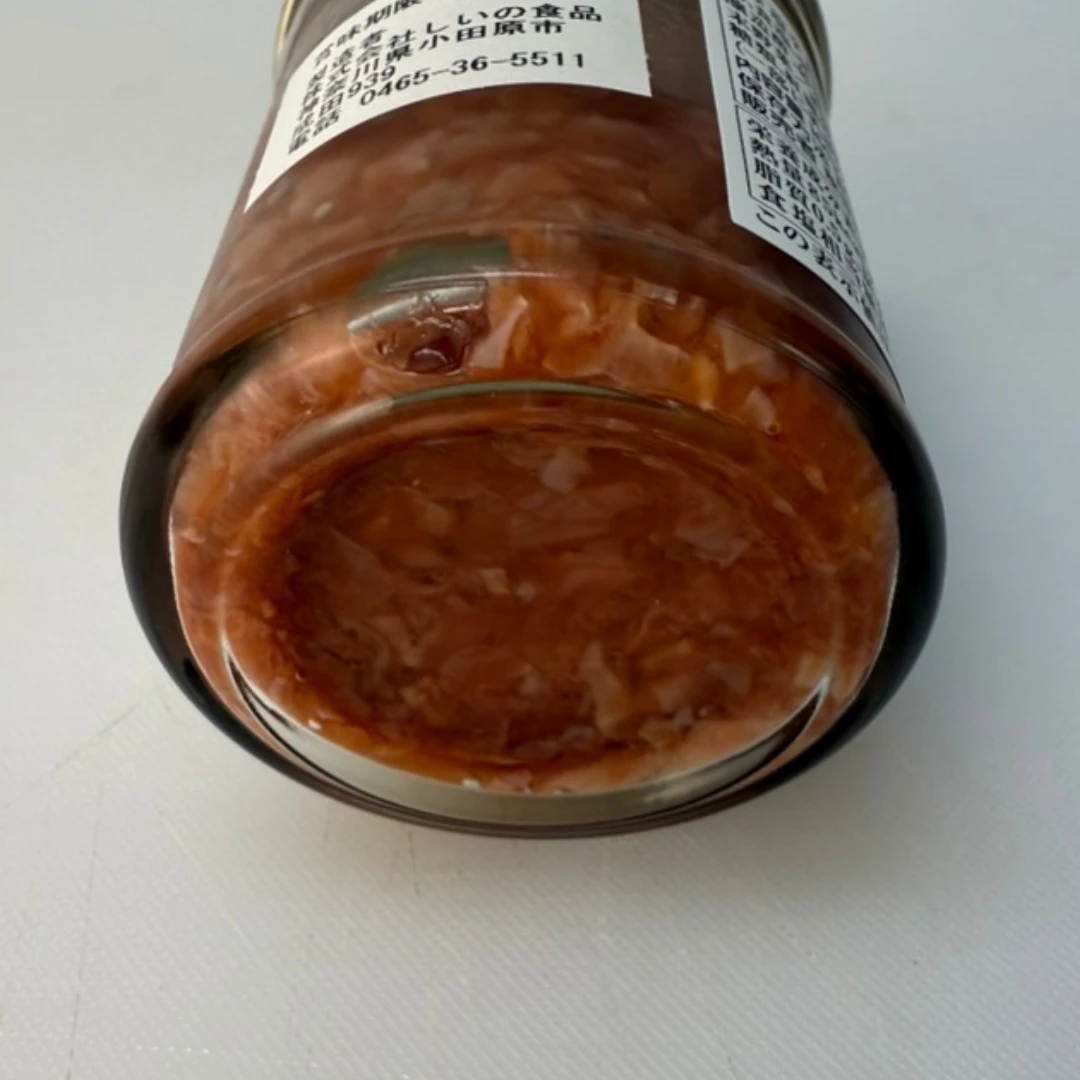
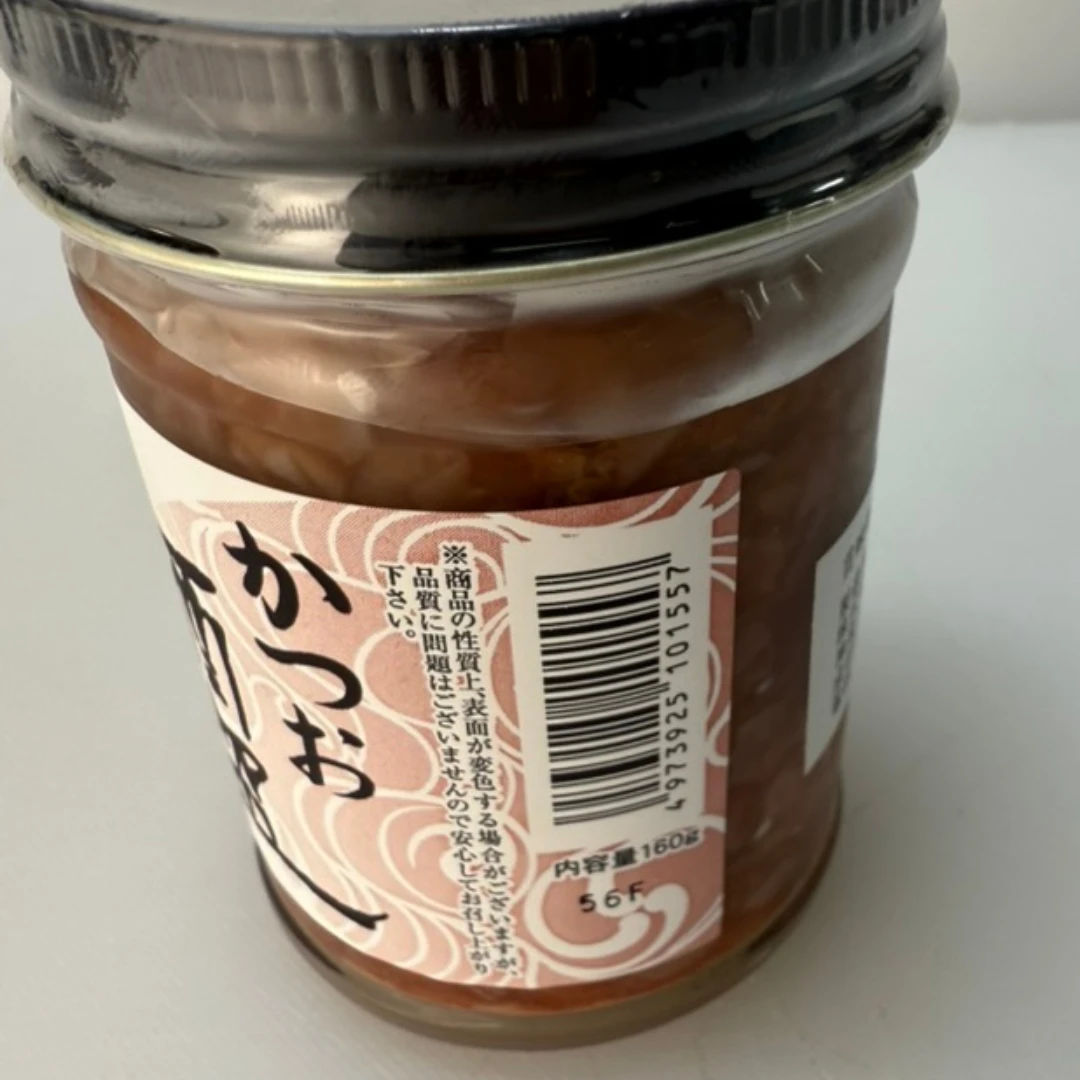
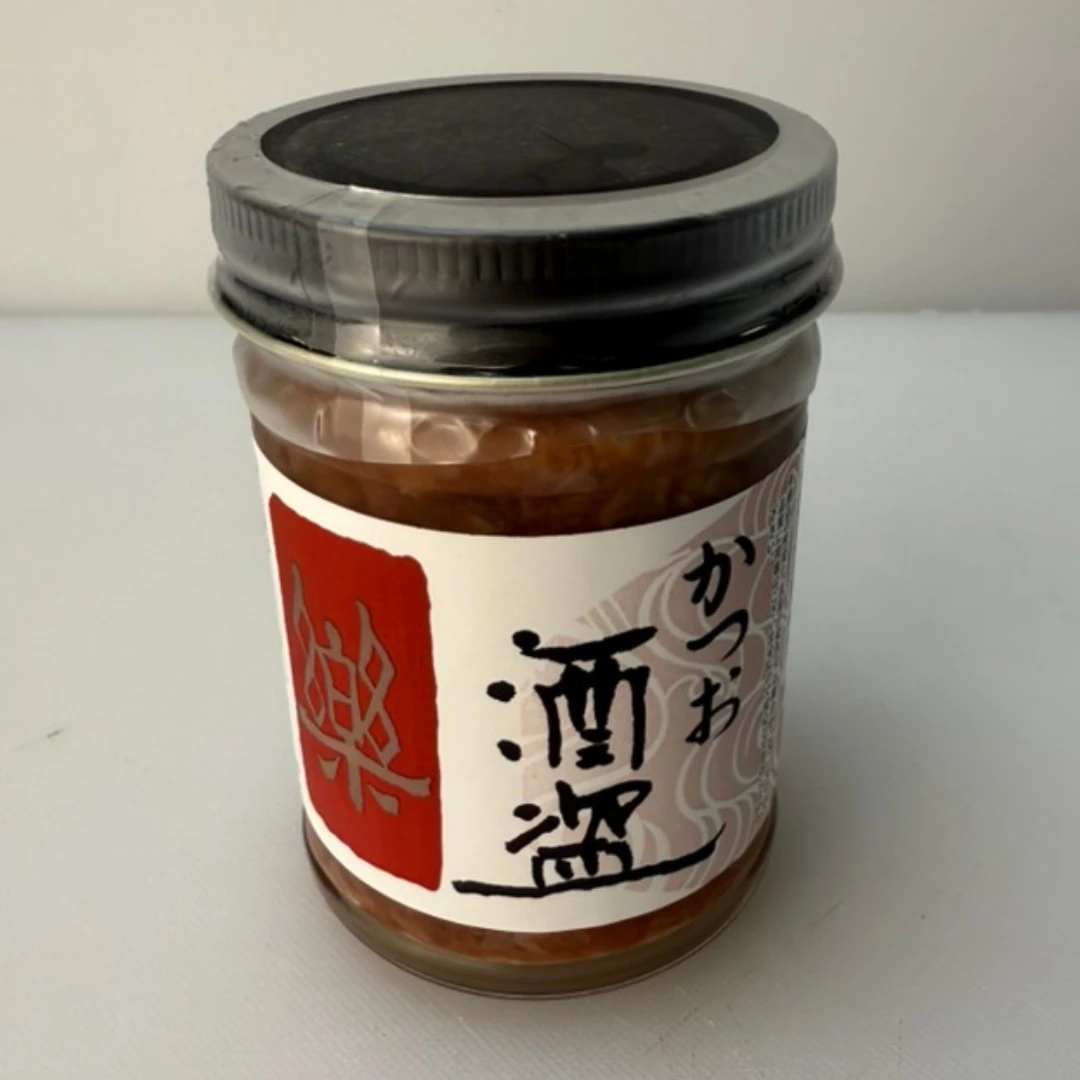
Katsuo no Shutō delivers a bold, concentrated umami with a rich, salty depth that slowly unfolds across the palate. The texture is soft yet slightly fibrous, reflecting its origin as fermented bonito entrails. Its flavor is intense but well-balanced, with hints of dried fish, ocean brine, and gentle sweetness. A small amount carries remarkable aromatic power, making it a natural pairing for warm rice and sake.
Availability/Seasonality
Shutō is produced year-round through a controlled fermentation process rather than seasonal fishing windows. While bonito (Katsuwonus pelamis) migrations influence harvest timing, the preserved nature of Shutō ensures consistent supply. Aging batches for several months allows deeper complexity, so production typically staggers throughout the year to maintain steady availability.
About
Katsuo no Shutō has deep roots in coastal Japan, particularly in Kochi Prefecture, where bonito fishing has shaped local cuisine for centuries. Named “shutō” because it “steals your sake,” this delicacy is made by salting and fermenting bonito intestines, allowing enzymes and time to transform them into a savory, almost cheese-like condiment. The species Katsuwonus pelamis provides the ideal balance of fat and aroma. Once a fisherman’s preserved food, Shutō is now prized in izakaya and home kitchens alike for its nostalgic, powerful flavor.
Preparation
Serve Katsuo no Shutō in small portions as a condiment with warm rice or tofu, allowing its umami to shine. It pairs exceptionally well with sake, shochu, and chilled Japanese beer. Mix with cream cheese for a modern appetizer, toss with cucumbers, or fold into pasta for a rich, unexpected twist. A touch of citrus or grated ginger can lighten its intensity. Due to its strong flavor, use sparingly in sauces, spreads, or dressings.
Nutritional Value
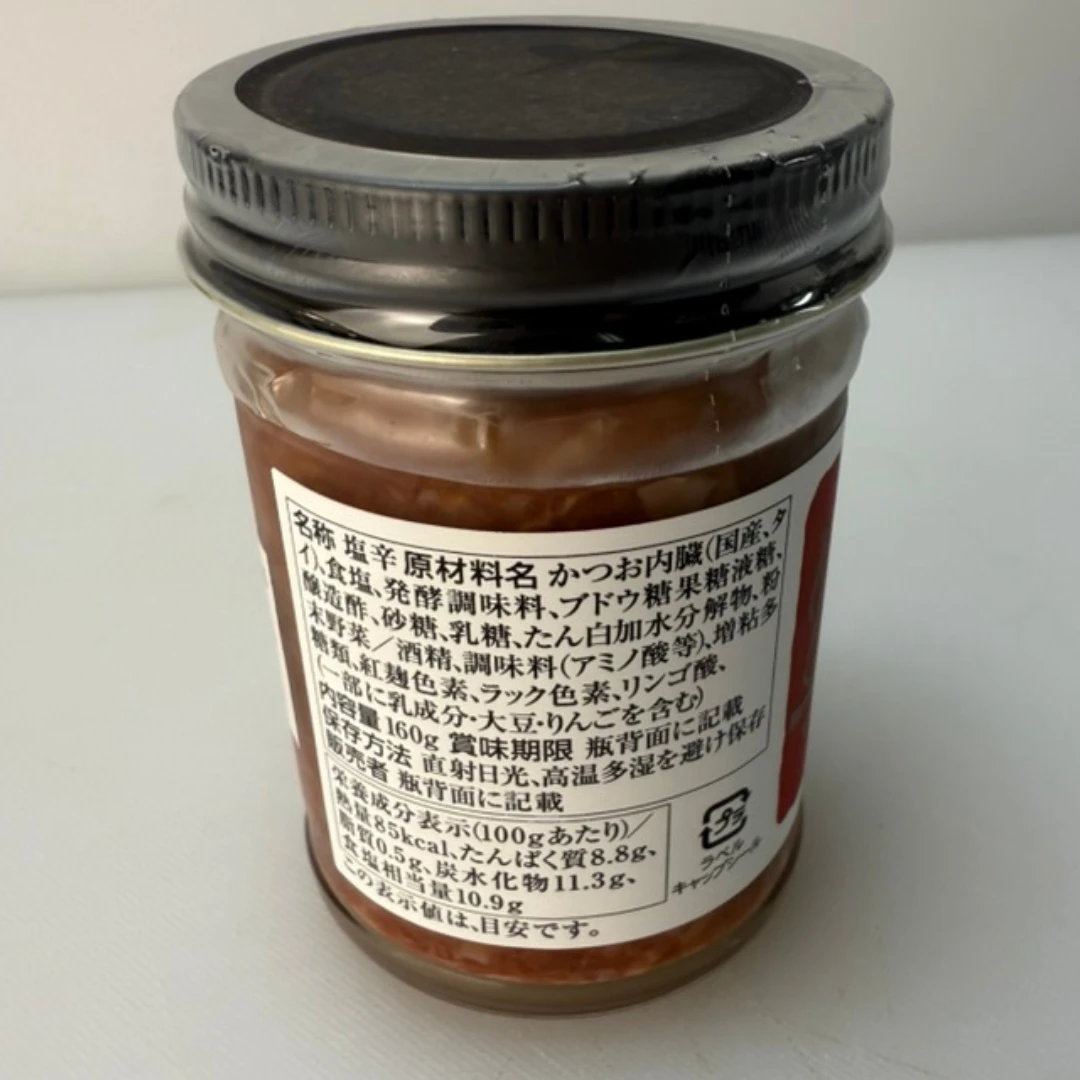
Shutō is rich in protein and naturally occurring amino acids that contribute to its deep savoriness. It contains minerals such as iron and phosphorus, along with small amounts of beneficial fats from bonito. Although higher in salt due to fermentation, it offers concentrated nourishment in very modest servings.
Selection and Storage
Choose jars with a smooth, glossy paste and deep reddish-brown color. A clean, robust aroma indicates proper fermentation. Store refrigerated after opening and use within several weeks for best flavor. Keep sealed tightly to maintain moisture and minimize oxidation. Avoid freezing, as it may alter texture and degrade aromatic complexity.
Summary
鰹の酒盗 (Katsuo no Shutō) captures the essence of traditional Japanese preservation—bold, savory, and deeply tied to coastal heritage. Made from fermented bonito entrails, it offers unmatched intensity in small amounts, elevating simple dishes with rich umami. A true izakaya classic, it embodies craftsmanship, patience, and the timeless pleasure of pairing food with sake.
Texture/Flavor Profile
Katsuo no Shutō delivers a bold, concentrated umami with a rich, salty depth that slowly unfolds across the palate. The texture is soft yet slightly fibrous, reflecting its origin as fermented bonito entrails. Its flavor is intense but well-balanced, with hints of dried fish, ocean brine, and gentle sweetness. A small amount carries remarkable aromatic power, making it a natural pairing for warm rice and sake.
Availability/Seasonality
Shutō is produced year-round through a controlled fermentation process rather than seasonal fishing windows. While bonito (Katsuwonus pelamis) migrations influence harvest timing, the preserved nature of Shutō ensures consistent supply. Aging batches for several months allows deeper complexity, so production typically staggers throughout the year to maintain steady availability.
About
Katsuo no Shutō has deep roots in coastal Japan, particularly in Kochi Prefecture, where bonito fishing has shaped local cuisine for centuries. Named “shutō” because it “steals your sake,” this delicacy is made by salting and fermenting bonito intestines, allowing enzymes and time to transform them into a savory, almost cheese-like condiment. The species Katsuwonus pelamis provides the ideal balance of fat and aroma. Once a fisherman’s preserved food, Shutō is now prized in izakaya and home kitchens alike for its nostalgic, powerful flavor.
Preparation
Serve Katsuo no Shutō in small portions as a condiment with warm rice or tofu, allowing its umami to shine. It pairs exceptionally well with sake, shochu, and chilled Japanese beer. Mix with cream cheese for a modern appetizer, toss with cucumbers, or fold into pasta for a rich, unexpected twist. A touch of citrus or grated ginger can lighten its intensity. Due to its strong flavor, use sparingly in sauces, spreads, or dressings.
Nutritional Value
Shutō is rich in protein and naturally occurring amino acids that contribute to its deep savoriness. It contains minerals such as iron and phosphorus, along with small amounts of beneficial fats from bonito. Although higher in salt due to fermentation, it offers concentrated nourishment in very modest servings.
Selection and Storage
Choose jars with a smooth, glossy paste and deep reddish-brown color. A clean, robust aroma indicates proper fermentation. Store refrigerated after opening and use within several weeks for best flavor. Keep sealed tightly to maintain moisture and minimize oxidation. Avoid freezing, as it may alter texture and degrade aromatic complexity.
Summary
鰹の酒盗 (Katsuo no Shutō) captures the essence of traditional Japanese preservation—bold, savory, and deeply tied to coastal heritage. Made from fermented bonito entrails, it offers unmatched intensity in small amounts, elevating simple dishes with rich umami. A true izakaya classic, it embodies craftsmanship, patience, and the timeless pleasure of pairing food with sake.