
KAKI - EAST COAST OYSTERS - Crassostrea virginica
Description
牡蠣 KAKI - EAST COAST OYSTERS - Crassostrea virginica
Location
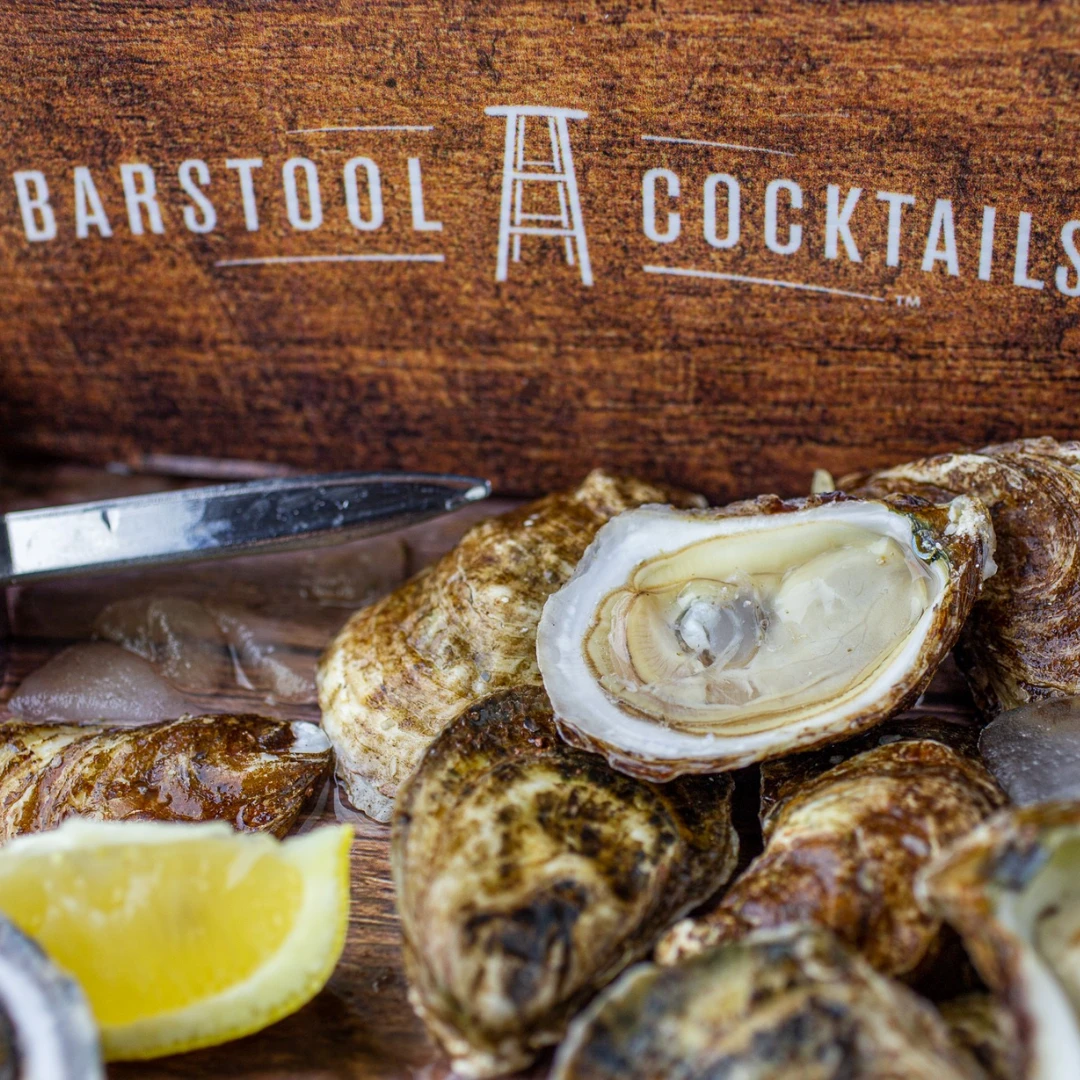
Barstool Oysters are from Prince Edward Island, Canada
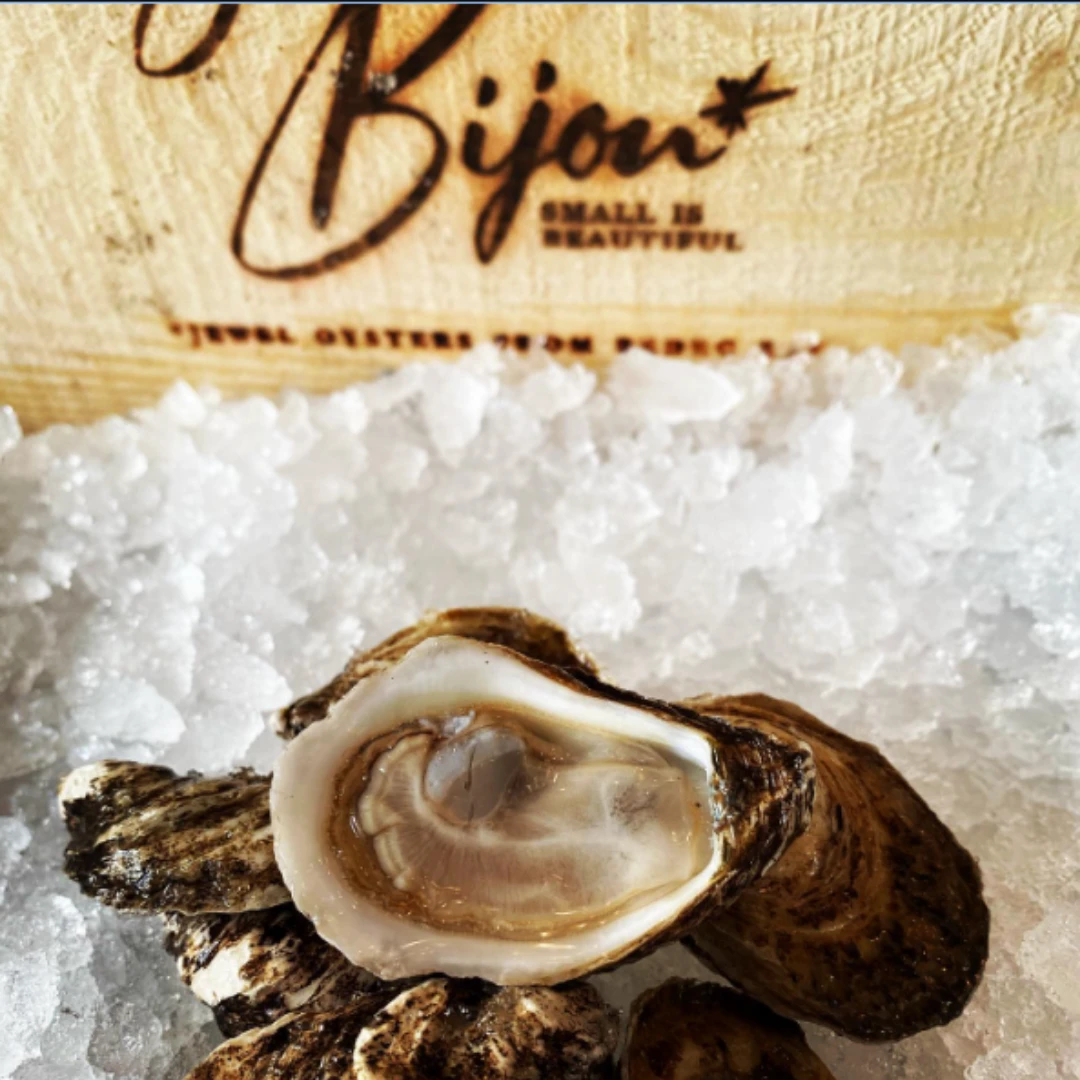
Bijou oysters are from New Brunswick, Canada
Size/Weight
100 count Crate (8.3 doz)
Texture/Flavor Profile
East Coast oysters present a briny, ocean-forward character that reflects the colder Atlantic waters. The meat is typically firm with a crisp snap, balancing salt with subtle sweetness. Notes of seaweed and minerals give depth, while finishes are often clean and refreshing. Compared to Pacific oysters, they offer a slightly leaner body and sharper salinity, making them highly versatile.
Availability/Seasonality
Harvested along North America’s eastern seaboard, these oysters are available year-round thanks to sustainable farming. Cooler months provide peak flavor concentration, with winter and spring yielding plumper, sweeter meats. Summer brings a lighter brininess, though aquaculture practices ensure steady supply and consistent grading. Their accessibility allows chefs to feature them confidently across menus regardless of the season.
About
Known in Japanese as 牡蠣 (Kaki), these oysters belong to the species Crassostrea virginica. They have been part of Atlantic coastal heritage for centuries, cultivated in estuaries where fresh and salt waters converge. Each region—Prince Edward Island, Cape Cod, Chesapeake Bay—imparts unique terroir-like nuances to the shellfish. Their cultural significance spans from traditional seaside fare to modern raw bars, where they remain symbols of convivial dining and shared experience.
Preparation
East Coast oysters shine on the half-shell, showcasing their pure brininess. Pair them with mignonette, citrus, or a drop of soy and yuzu for a Japanese twist. They may also be baked with butter, herbs, and breadcrumbs, grilled lightly over charcoal, or folded into chowders for depth. Their sturdiness allows creative plating, from elegant raw tastings to indulgent hot appetizers.
Nutritional Value
Oysters are a powerhouse of nutrition. Rich in zinc, they support immune health and vitality. They also deliver high-quality protein, Omega-3 fatty acids, and essential vitamins such as B12 and D. Low in calories and fat, oysters provide nourishment while maintaining a clean, ocean-light profile that complements health-conscious dining without sacrificing indulgence.
Selection and Storage
Choose oysters with tightly closed shells and a fresh seawater aroma. Discard any that remain open or give off an off-odor. Store cup-side down over ice or in a breathable container at 1–4°C, covered with a damp cloth to maintain humidity. Consume promptly for optimal freshness, though healthy live oysters can hold for up to seven days post-harvest.
Summary
牡蠣 (Kaki) from the East Coast combine Atlantic brininess, reliable availability, and rich culinary history. With firm texture and crisp salinity, they adapt across raw and cooked preparations. From raw bars to fine dining plates, these oysters deliver both flavor and story—an essential shellfish that connects coastal tradition with modern, elevated cuisine.
Location
Barstool Oysters are from Prince Edward Island, Canada
Bijou oysters are from New Brunswick, Canada
Size/Weight
100 count Crate (8.3 doz)
Texture/Flavor Profile
East Coast oysters present a briny, ocean-forward character that reflects the colder Atlantic waters. The meat is typically firm with a crisp snap, balancing salt with subtle sweetness. Notes of seaweed and minerals give depth, while finishes are often clean and refreshing. Compared to Pacific oysters, they offer a slightly leaner body and sharper salinity, making them highly versatile.
Availability/Seasonality
Harvested along North America’s eastern seaboard, these oysters are available year-round thanks to sustainable farming. Cooler months provide peak flavor concentration, with winter and spring yielding plumper, sweeter meats. Summer brings a lighter brininess, though aquaculture practices ensure steady supply and consistent grading. Their accessibility allows chefs to feature them confidently across menus regardless of the season.
About
Known in Japanese as 牡蠣 (Kaki), these oysters belong to the species Crassostrea virginica. They have been part of Atlantic coastal heritage for centuries, cultivated in estuaries where fresh and salt waters converge. Each region—Prince Edward Island, Cape Cod, Chesapeake Bay—imparts unique terroir-like nuances to the shellfish. Their cultural significance spans from traditional seaside fare to modern raw bars, where they remain symbols of convivial dining and shared experience.
Preparation
East Coast oysters shine on the half-shell, showcasing their pure brininess. Pair them with mignonette, citrus, or a drop of soy and yuzu for a Japanese twist. They may also be baked with butter, herbs, and breadcrumbs, grilled lightly over charcoal, or folded into chowders for depth. Their sturdiness allows creative plating, from elegant raw tastings to indulgent hot appetizers.
Nutritional Value
Oysters are a powerhouse of nutrition. Rich in zinc, they support immune health and vitality. They also deliver high-quality protein, Omega-3 fatty acids, and essential vitamins such as B12 and D. Low in calories and fat, oysters provide nourishment while maintaining a clean, ocean-light profile that complements health-conscious dining without sacrificing indulgence.
Selection and Storage
Choose oysters with tightly closed shells and a fresh seawater aroma. Discard any that remain open or give off an off-odor. Store cup-side down over ice or in a breathable container at 1–4°C, covered with a damp cloth to maintain humidity. Consume promptly for optimal freshness, though healthy live oysters can hold for up to seven days post-harvest.
Summary
牡蠣 (Kaki) from the East Coast combine Atlantic brininess, reliable availability, and rich culinary history. With firm texture and crisp salinity, they adapt across raw and cooked preparations. From raw bars to fine dining plates, these oysters deliver both flavor and story—an essential shellfish that connects coastal tradition with modern, elevated cuisine.